
















1. Leakage from concealed faucet after installation
Possible causes: The embedded box is not flush with the wall. / Hot/cold water pipes are connected incorrectly. / No pressure test was conducted before tiling.
Solution: 1) Ensure the edge of the embedded box is flush with the tile surface (tolerance ≤ 10 mm) during embedding. 2) Connect hot and cold water pipes according to markings (hot on the left, and cold on the right). 3) Conduct a 10kg water pressure test before tiling to check for any leaks.
2. Unresponsive or insensitive sensor
Possible causes: 1) The sensor head is covered by dirt or has aged. 2) Power supply is insufficient (e.g., low battery or loose wiring in battery-operated models). 3) Ambient light interferences (e.g., strong light affecting infrared sensing).
Solutions: 1) Regularly clean the sensor head surface to avoid scale or dust coverage. 2) Check the power connection or replace the battery. 3) Reposition the sensor to avoid direct exposure to strong light.
3. Drainpipe blockage
Possible causes: 1) Long-term accumulation of hair and debris. 2) Buildup of grime on pipe walls slowing drainage. 3) Misalignment or poor design of the trap during installation.
Solutions: 1) Use a drain cleaner or a plumbing snake to clear blockages regularly. 2) Disassemble and rinse the drainpipe, and check and adjust the trap if needed. 3) Ensure pipes are aligned during installation to avoid sharp bends.
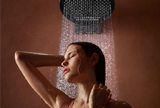
4. Shower blockage or unstable water temperature
Possible causes: 1) Hard water leading to scale buildup in spray jets. 2) Insufficient water pressure or faulty water heater thermostat. 3) Damaged thermostatic cartridge.
Solutions: 1) Soak and scrub the shower head with white vinegar (or replace it with a silicone self-cleaning model). 2) Install a booster pump or check the water heater. 3) Replace the thermostatic cartridge (choose the paraffin temperature-sensing component).